
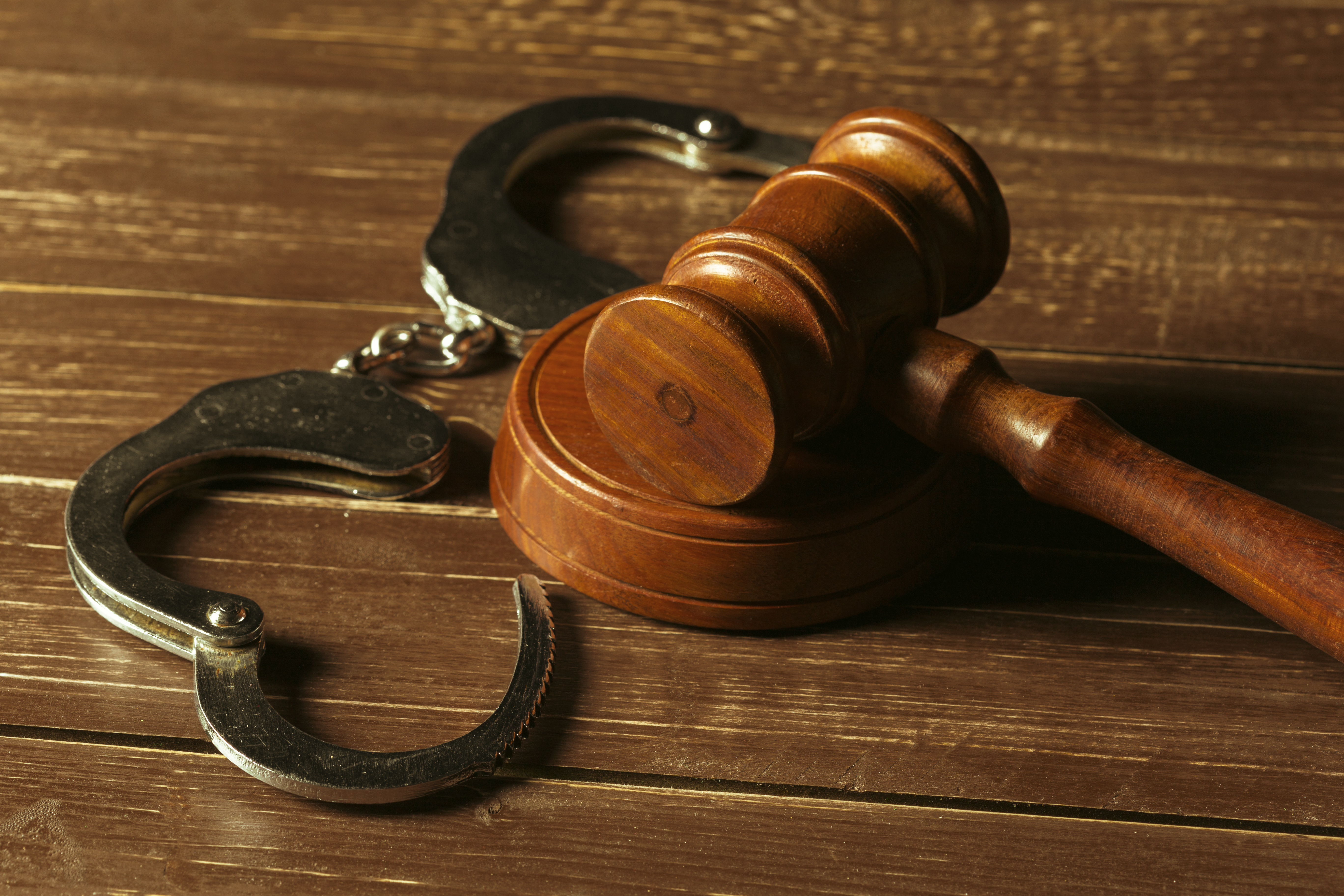

For years, many people viewed NetNaija as a standard fixture of the internet. Even with the clear legal risks involved, the platform thrived. That era reached a definitive end recently. The company’s CEO was arraigned in Abuja and remanded to the Kuje Correctional Centre. This move by the Nigerian Copyright Commission (NCC) marks a significant shift in how intellectual property laws are enforced online, moving beyond small-scale arrests to targeting the heads of major platforms. It signals the fall of NetNaija and a transition toward targeting major platform heads.
The arrest changes the conversation for everyone in Nigeria. It highlights the urgency of understanding compliance before enforcement actions reach other platforms. The fall of NetNaija carries weight for everyone who creates, distributes, or downloads content.
A Shift in Enforcement
For a long time, the platform operated in plain sight. Millions of people used it every month. Nollywood films appear on the site while still showing in cinemas. Albums dropped on a Friday and appeared for free download by Saturday. The nature of the platform was clear to the public, yet the lack of immediate consequences created a false sense of security.
On March 4, 2026, the situation changed. Emmanuel Analike, the founder and CEO of NetNaija Media Enterprises, appeared before Justice Suleiman Liman at the Federal High Court in Abuja. The Nigerian Copyright Commission (NCC) charged him with four counts, including the unauthorized possession, reproduction, and distribution of copyrighted works to the public. After pleading not guilty, he was remanded at the Kuje Correctional Centre pending the determination of his bail. This sequence of events cemented the fall of NetNaija in the public record.
What This Means for the Industry
Seeing the founder of one of the country’s most visited websites in custody highlights a new reality for the digital space. This case holds relevance for anyone downloading films, streaming music from unauthorized sources, or managing platforms that host content without clear licensing policies.
The focus has moved away from theoretical warnings. The current landscape shows that the authorities are now actively applying the Copyright Act of 2022 to the digital economy, and the legal consequences for infringement have become a practical reality.
What the Law Actually Says
Nigeria’s Copyright Act of 2022 represents a comprehensive overhaul of intellectual property regulation. It was specifically designed to address a digital ecosystem that had outpaced previous legislation. Under this Act, infringement occurs whenever protected works—such as films, music, books, photographs, broadcasts, software—are reproduced, distributed, or made available to the public without authorization of the rights holder.
A common misunderstanding is that the law only applies to those making a profit. In reality, the act of infringement itself is the offense; the law does not require a person to be running a business or generating revenue to be held liable.
Liability Beyond the Platform
There is a widespread assumption that copyright law only targets large companies and that individuals downloading content for personal use are beyond the law’s reach. However, the legal framework is broader than many realize. Both the person operating a piracy platform and the individual who knowingly downloads from it can face legal consequences. While the scale of the penalty may differ, the legal exposure remains a reality for both parties.
The severity of the consequences is typically determined by the scale and intent of the action—specifically whether the content was distributed commercially and how much damage was done to the creator’s revenue. While “lack of knowledge” is often cited as a reason for infringement, it is rarely a complete defense. In an environment where enforcement is actively escalating, relying on that lack of awareness is becoming an increasingly risky position.
The NetNaija Case: What Actually Happened and Why It Matters
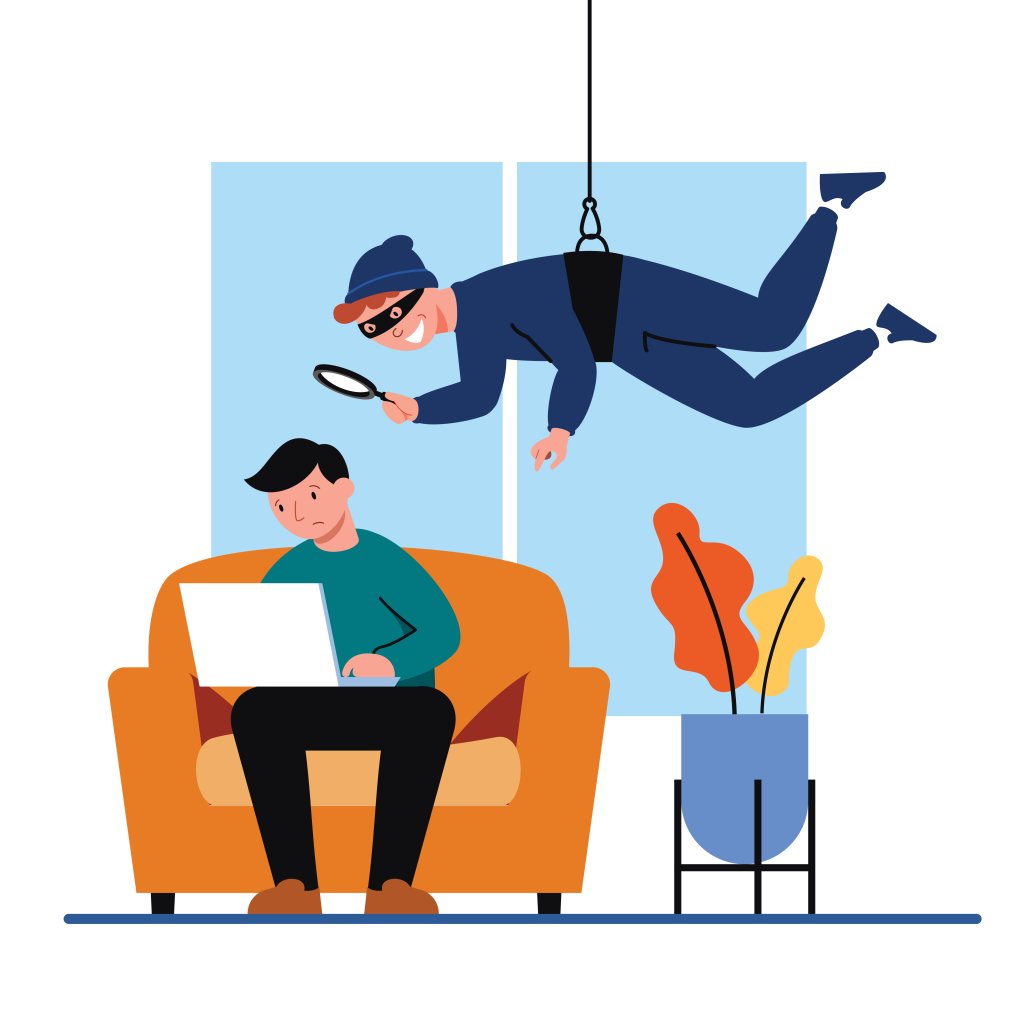
NetNaija did not operate as a hidden or anonymous platform. Emmanuel Analike established NetNaija Media Enterprises in 2019 as a registered business, and it grew into one of the most recognizable names in the Nigerian digital landscape. The platform was so deeply embedded in the online culture that when it announced a shift away from public downloads in 2023, the news was met with widespread public reaction. However, that transition did not provide a legal shield; instead, it helped establish a clear history of the platform’s operations.
The four-count charge filed by the NCC specifically cites Section 44(1)(a) of the Copyright Act 2022. This section addresses the unauthorized possession, reproduction, and distribution of protected works. The scope of the case is broad, covering both Nigerian and international content—including Nollywood films, global cinema, and music from artists who never authorized their work to be distributed for free.
A Signal to Business Owners
Following the arraignment, Gladys Isaac-Ojo, Head of Legal Services at the NCC, described the case as a milestone for the commission. She highlighted a point that is crucial for anyone using a company structure for their operations: under Nigerian law, both an individual and their corporate entity can be prosecuted for infringement carried out through a business platform. A registered company does not serve as a barrier to personal liability; in this context, it simply results in two defendants facing the court.
The significance of this case extends beyond the charges themselves. It signals a new level of enforcement appetite. The NCC has been quietly preparing for this shift for several years, and the move to hold platform owners directly accountable shows that the period of operating in a legal “grey area” has come to an end.
The Pattern of Enforcement that led Here
The recent legal actions are not isolated incidents but rather the result of a long-term shift in how intellectual property is protected in Nigeria. In 2017, the NCC conducted raids that seized over 1.3 million physical bootlegged works. While the era of physical media has largely faded, those actions laid the groundwork for modern digital enforcement.
By 2024, the focus moved toward digital platforms. A Lagos High Court awarded filmmaker Femi Adebayo ₦25 million in damages following a three-year legal battle against a company that had illegally streamed his work online. That ruling demonstrated that Nigerian courts are willing to grant substantial civil awards, signaling a move away from symbolic judgments toward real financial accountability.
Recent Collaborative Crackdowns
In 2025, enforcement became even more integrated. The NCC partnered with the Nigeria Internet Registration Association to revoke the domain of moviebox.ng, a streaming platform accused of distributing content without consent. During the same period, FilmOne Entertainment was involved in a piracy case that led to the arrest of an individual who uploaded film clips on TikTok and sold pirated copies.
The arraignment of the NetNaija founder is the most visible point on a timeline that has been moving in one direction for several years. It reflects a deliberate transition from seizing physical discs to holding the owners of massive digital platforms accountable for the content they host.
What You Are Actually Risking
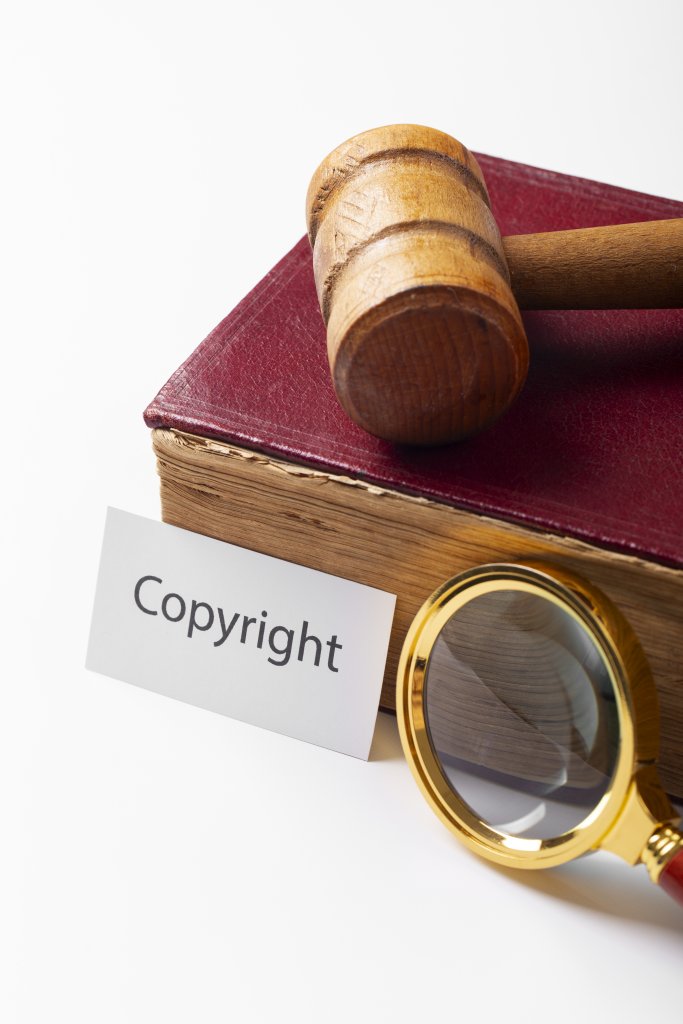
The Copyright Act 2022 establishes two distinct paths of liability that can run simultaneously. These paths ensure that an infringer can be held accountable by both the individual creator and the state.
1. The Civil Path
Any rights holder whose work has been used without permission has the right to file a civil lawsuit. The remedies available through the courts are extensive and include:
- Damages and Compensation: Covering lost revenue and the decline in the work’s commercial value
- Injunctive Relief: Court orders to stop the infringement immediately.
- Account of Profits: A requirement to pay back any money made from the unauthorized use of the work.
The ₦25 million award in the recent case involving filmmaker Femi Adebayo serves as a clear reference point. It demonstrates that the judiciary is moving toward awarding sums that reflect the actual cost of infringement to the creator, rather than symbolic or nominal amounts.
2. The Criminal Path
Beyond civil lawsuits, the NCC has the authority to initiate criminal prosecutions. Penalties under the current Act include substantial fines and terms of imprisonment. The NetNaija case is a primary example of this, as it is being handled as a criminal prosecution. In these instances, the opposing party is the state itself, bringing the full weight of government enforcement against the defendant.
For business owners, the most significant detail is that a corporate structure does not provide immunity. If infringement is carried out through a company, the law allows for both the individual and the corporate entity to be charged. The prosecution is not required to choose between the two; both can be held liable for the same offense.
The “I Didn’t Know” Problem; The Challenge of Unawareness
A common misconception is that simply not knowing the copyright status of a work serves as a valid defense. In many civil infringement claims, the legal standard is based on constructive knowledge, whether a reasonable person in that specific position should have understood that the content was protected. When accessing platforms dedicated to providing free downloads of commercial works, it becomes difficult to credibly claim there was no reason to suspect the content was unauthorized.
For businesses, the expectations are even more rigorous. When building or managing a platform that hosts or distributes content, the law requires systems to be in place to verify the rights for every piece of media used. In a legal context, a failure to verify these rights is often viewed as an admission of negligence rather than a viable defense.
Nigerian courts are increasingly moving away from the question of whether an individual had actual knowledge of an infringement. Instead, the focus has shifted to whether the person or business should have known and what active steps were taken to prevent the unauthorized use of protected works.
What This Means If You Run a Business
The implications of the NetNaija case ripple well beyond movie download sites. If your business interacts with digital content in any of the following ways, you have copyright exposure that requires active management.
- You run a website or app that hosts user content
Operating a website or app that allows users to upload content does not automatically insulate a business from liability. Unlike certain international legal frameworks that provide broad shields for platform operators, Nigerian law places a higher level of responsibility on the business. If infringing material is hosted on a platform and the operator fails to take corrective action once notified, the legal exposure becomes a practical reality. - You use images, music, or video in your marketing
The use of images, music, or video in marketing materials is a common area of inadvertent infringement. Content sourced from stock libraries, video platforms such as Youtube, or general search results from Google often requires specific licensing for commercial use. The availability of a file on the internet does not constitute a license. Without proof of payment or express permission from the rights holder, using such material for business purposes carries significant risk. - You distribute content created by someone else
Distributing content created by others—whether through reposting, resharing, or embedding—can constitute infringement depending on the context. Media companies, blogs, and social platforms must recognize that content is not automatically available for distribution simply because it is public. Ensuring that the proper rights are secured is a necessary step for any entity acting as a distributor. - You create content and have not protected it
While copyright in Nigeria exists automatically upon the creation of a work, relying on this alone can be insufficient. Establishing formal registration, maintaining clear documentation, and setting up proper licensing structures significantly strengthen a creator’s position during enforcement. While winning a legal case is one hurdle, proving the exact scale of damages is another; being prepared with documented evidence is essential for both.

Practical Steps for Compliance: Five Things to Do Right Now
These actions represent the baseline for maintaining defensible conduct in the current enforcement environment. Taking these steps helps ensure that a business is operating within the legal framework provided by the Copyright Act.
1. Audit Current Content Usage
A thorough review of all third-party content used within a business—including websites, marketing materials, and mobile applications—is a necessary first step. Identifying which assets are properly licensed and which are not allows a business to rectify issues internally before they become a matter for regulatory oversight.
2. Secure Written Licensing Agreements
In a legal context, verbal agreements for content usage lack the weight of formal documentation. A valid license should clearly specify the territory, duration, and permitted uses of the work. Ensuring that every content arrangement is properly documented provides a necessary layer of protection for the business.
3. Formalize Intellectual Property Rights
While copyright exists automatically upon creation, other forms of intellectual property require formal action. Registering trademarks with the Trademarks Registry and filing patents with the Nigerian Intellectual Property Office (NIPO) are essential steps. The protection of trade secrets should be documented. Rights that cannot be documented with evidence are significantly more difficult to enforce in a dispute.
4. Implement a Takedown Process
Platforms that host user-generated content benefit from having a clear, published notice-and-takedown policy. Actively following such a policy demonstrates good faith to rights holders and the courts. When a platform provides a functioning mechanism for addressing complaints, rights holders may be more inclined to resolve issues directly rather than escalating them to the authorities.
5. Consult Proper IP Counsel
Copyright and intellectual property law are highly technical fields. The legality of a specific use often depends on the precise terms of a license or the commercial context of the work. Relying on specialized legal counsel rather than general advice ensures that a business is receiving guidance tailored to the complexities of intellectual property regulation.
And If You Are Just an Individual?
Many people who have never operated a commercial platform or distributed content for profit may wonder how these enforcement shifts affect them personally. This includes individuals who occasionally download media, participate in Telegram channels for music sharing, or manage social media pages that repost content from other accounts.
Currently, the primary focus of enforcement actions is on platform operators rather than individual users. However, this focus is not a permanent guarantee of safety, and the legal landscape is shifting.
The Shift from Downloading to Distribution
The transition from being a passive consumer to an active distributor significantly increases legal risk. Activities such as sharing files, uploading content to groups, or managing channels that host the work of others fall under the category of distribution. This is one of the specific acts prohibited under Section 44(1)(a) of the Copyright Act. Notably, the law does not require a person to have a registered business or a commercial motive to be held liable for unauthorized distribution.
Professional and Long-term Consequences
Beyond the immediate legal risks, there are broader professional implications to consider. Employers and financial institutions in Nigeria are increasingly incorporating digital background checks into their vetting processes. An association with documented or public copyright violations creates a traceable record that can impact future opportunities. When viewed from this perspective, the long-term cost of a public legal complication often outweighs the temporary convenience of accessing unauthorized content.
Why the Creative Industry Is Watching This Case So Closely
The impact of piracy on Nollywood is substantial, with estimated annual losses reaching approximately ₦7.5 billion. This figure represents more than just lost revenue; it reflects collapsed streaming deals, reduced investment in new productions, and the gradual erosion of a sector that employs hundreds of thousands of Nigerians. As one of the country’s most significant cultural exports, the health of the film industry is tied directly to the enforcement of its intellectual property.
For many professionals in the field, this enforcement moment has been a long time coming. Established filmmakers and actors have frequently seen projects that required years of labor and millions of naira in investment appear on unauthorized download sites within days of their release. For these creators, the issue is not about abstract statistics but about the sustainability of their careers and the protection of their livelihoods.
A Shift Toward Accountability
The proceedings in the NetNaija case are being closely monitored by filmmakers, musicians, publishers, and developers across the country. Many have experienced the frustration of sending cease-and-desist letters to platforms that simply ignored them. The current actions taken by the NCC suggest that the period of operating with impunity is coming to an end. The lasting impact of this message will depend on the outcomes of the ongoing trial and the precedents set in the courtroom.
Unauthorized access to content is not a victimless shortcut. Every unauthorized download represents a creator who invested in a project without receiving the intended return. While the legal framework has always recognized this reality, the current environment shows that Nigeria is now actively moving toward the consistent enforcement of these rights.
How Starr Attorneys Approaches IP and Copyright Work
We built our Intellectual Property practice at Starr Attorneys around a simple observation: most Nigerian businesses acquire copyright exposure long before they acquire copyright counsel. By the time a rights holder comes with a claim, or the NCC comes with a charge, the damage is already done. Often, the document trail is thin, licenses are merely verbal, and content was never formally audited.
Our work is about getting businesses ahead of that gap. We focus on auditing your exposure before it becomes a liability, structuring licensing arrangements that actually hold up, and registering your rights before someone else can claim similar ones. We help you build a documented compliance posture that makes enforcement actions far less likely—and far less damaging if they do occur.
Strategic Representation When It Matters
When enforcement action is unavoidable, we provide representation that is both strategic and technically precise. IP litigation is distinct from general commercial litigation; the law is specific and the evidentiary requirements are unique. We understand that the difference between a favorable and unfavorable outcome frequently turns on how well your counsel understands these nuances.
Our clients include content creators protecting original work, technology companies managing complex licensing portfolios, and media businesses structuring distribution arrangements. If you recognize your business in the situations we have described, that recognition is an important signal to act on. We are here to help you move from a position of risk to one of security.
Protecting Your Intellectual Property: Is Your Business Exposed?
If you create content, operate a digital platform, or incorporate third-party material into your business, your copyright exposure may be more significant than you realize. At Starr Attorneys, we provide the specialized guidance needed to navigate these risks, offering comprehensive IP audits, structured licensing, and strategic enforcement representation across Nigeria.
We help you identify potential vulnerabilities before they become legal challenges, ensuring that your creative and commercial assets are fully protected under the current law. If you are ready to move from a position of risk to one of security, we are here to provide the technical expertise your business requires.
Book a consultation: +234 704 545 9409 | info@starrattorneys.co | starrattorneys.co
The NetNaija case will continue to move through the Federal High Court. Whatever its outcome, the enforcement era it represents is not going to reverse. The Nigerian Copyright Commission has its first major prosecution of a digital piracy platform. The creative industry has its landmark moment. And every business and individual operating in Nigeria’s digital content ecosystem now has a very clear choice: get your house in order, or wait for someone else to order it for you.
Written by: Leslie Ozoaka Chinelo
Associate Lawyer
Starr Attorneys
Related Reading from Starr Attorney
Statutory Time Limits: How Delay Can Bar Your Right to Sue
Data Privacy Compliance in Nigeria: What Every Business Must Know And Do
Protecting Creative Assets in Nigeria: A Copyright Guide for Business Owners
Why Every Growing Business Needs Ongoing Legal Advisory
How Starr Attorneys Builds Trust Through Structure, Transparency, and Client Growth
Starr Attorneys · Business Law Firm · Abuja · Lagos · Port Harcourt · Onitsha · Kano · starrattorneys.co